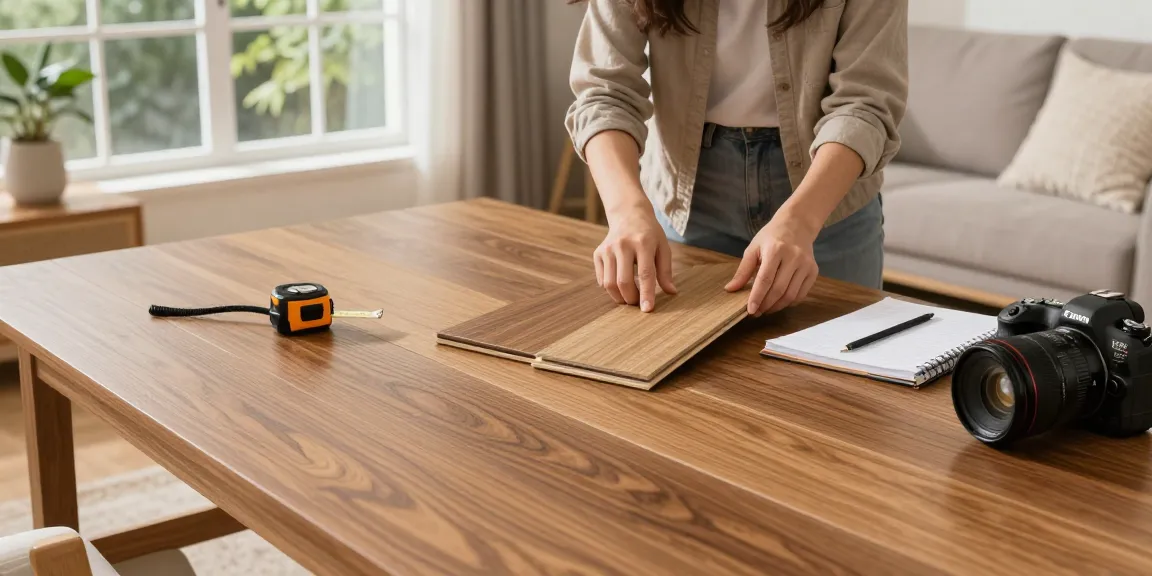
Understanding Laminate Flooring
Choosing the right flooring can significantly impact the comfort and aesthetic of your home. Among the most popular options are laminate and engineered wood. Understanding these flooring types will help UK homeowners make informed decisions that suit their lifestyle and budget.
What is Laminate Flooring?
Laminate flooring is a versatile synthetic product made from high-density fiberboard (HDF) topped with a printed layer that mimics the appearance of wood. This is sealed with a protective coating that ensures durability and resistance to scratches, stains, and fading. Laminate boards typically come in large planks that can resemble a variety of wood species, from oak to walnut, offering a broad range of aesthetic choices.
Benefits of Choosing Laminate
Choosing laminate can be advantageous for several reasons:
- Affordability: Laminate is generally much cheaper than engineered wood, making it an attractive option for those on a budget.
- Durable: With its tough, wear-resistant surface, laminate can withstand the rigors of everyday life, including heavy foot traffic and spills.
- Easy Maintenance: It requires minimal upkeep—just regular sweeping and occasional mopping.
- Variety of Designs: Available in numerous styles and colors, laminate can fit various interior designs.
Common Misconceptions about Laminate Flooring
Many people believe that laminate flooring lacks quality because it is not made from real wood. However, advancements in technology have allowed laminate to closely mimic the look and feel of natural wood while providing enhanced durability. Additionally, it is often misunderstood that laminate cannot be refinished; while it cannot be sanded down like hardwood, its lifespan can be remarkably extended with proper care.
Engineered Wood: A Strong Alternative
While laminate may appeal to budget-conscious consumers, engineered wood presents a compelling option for those seeking authenticity in their flooring. To better understand the differences, we can compare the structure and benefits of engineered wood to laminate.
What Distinguishes Engineered Wood?
Engineered wood is composed of real hardwood veneer on top of a core made from plywood or high-density fiberboard, creating a multi-layered product designed for stability. This construction allows engineered wood to respond better to changes in temperature and humidity, making it less prone to warping than solid hardwood flooring.
Pros and Cons of Engineered Wood
Engineered wood also comes with its own set of advantages and disadvantages:
- Authenticity: Unlike laminate, engineered wood provides the real look and feel of hardwood.
- Variety: Available in various wood species and stains, it can enhance the overall value of your home.
- Long-lasting: With proper sealing and maintenance, engineered wood can last for decades.
- Higher Cost: The initial investment is higher compared to laminate flooring.
Comparative Analysis: Laminate vs. Engineered Wood
The primary difference between laminate and engineered wood lies in their composition and performance. Laminate is often considered a practical and budget-friendly option, while engineered wood offers an upscale look with superior longevity. When considering which is best for your home, weighing these characteristics against your needs is vital:
- Cost: Laminate typically costs less upfront; engineered wood is a long-term investment.
- Durability: Laminate resists scratches and moisture; engineered wood can be more vulnerable if not maintained.
- Installation: Laminate’s click-lock design allows for easy DIY installation, whereas engineered wood might require professional fitting for best results.
Key Considerations for Homeowners
When deciding between laminate and engineered wood, homeowners should consider several essential factors that will influence their choice.
Budgeting for Your Flooring Choice
Understanding your budget is crucial. Laminate flooring is typically more affordable, making it a preferred choice for many first-time homeowners or those looking to revamp their space without breaking the bank. In contrast, engineered wood may be a better fit for high-end renovations or homes where long-term investment in quality is a priority.
Durability and Maintenance for Different Lifestyles
Durability often correlates with lifestyle; for families with pets or young children, laminate’s durability can withstand daily wear and tear more effectively than engineered wood. On the other hand, engineered wood can be an excellent choice for less active households where its authentic aesthetic can shine without the risks of heavy use.
Design and Aesthetic Preferences
Your design preferences play a significant role in choosing flooring. If you want to achieve a rustic look or opt for a specific wood species, engineered wood is often the go-to choice. Conversely, if you prefer a sleek, modern design or have specific color themes, laminate offers a wider variety of options at a lower cost.
Installation Factors to Evaluate
Whether you opt for laminate or engineered wood, installation is a key consideration. Understanding the installation process can directly influence your flooring choice.
DIY vs. Professional Installation
Laminate flooring is designed for easy DIY installation, featuring a click-lock system that allows homeowners to fit the planks without the need for glue or nails. Engineered wood flooring might require professional installation, particularly if it involves intricate patterns or requires adjustments to subfloor preparation.
Tools and Resources for Installation
For those considering a DIY laminate installation, essential tools include a measuring tape, saw, spacers, and an underlayment. Many manufacturers provide detailed instructions, and resources are readily available online. In contrast, if you choose engineered wood, hiring a skilled professional may be necessary to ensure optimal results and adherence to warranty conditions.
Preparing Your Home for New Flooring
Before installation, it’s essential to prepare your home. Ensure the subfloor is clean, dry, and level, and allow the new flooring to acclimate to room temperature before installation to prevent future warping or buckling.
Future Trends in Flooring for 2026
As technology advances, flooring trends continue to evolve. Understanding future possibilities can help homeowners make informed choices for their renovation projects.
Emerging Technologies in Flooring
Innovations in flooring technology are paving the way for more resilient and attractive options. Smart flooring that integrates technology for maintenance alerts or moisture detection may change how we approach flooring care and longevity.
Sustainability Considerations in Flooring Choices
In 2026, sustainability will continue to play a pivotal role in flooring decisions. Eco-friendly options, including laminate made from recycled materials and engineered wood sourced from responsibly managed forests, will become increasingly popular among environmentally conscious consumers.
Expert Insights into Flooring Innovations
Engaging with laminate flooring experts allows homeowners to gather insights on the latest trends, making it easier to choose the right material for their specific needs while keeping an eye on sustainability.
What is the best flooring option for high moisture areas?
For areas prone to moisture, such as kitchens and bathrooms, laminate flooring typically performs better due to its water resistance. Engineered wood can also be appropriate if it is specifically designed for such environments, including proper sealing to enhance its moisture resistance.
How long does laminate flooring typically last?
With proper care, laminate flooring can last anywhere from 15 to 25 years, depending on the quality of the product and the level of foot traffic it endures.
Can laminate flooring withstand high-traffic areas?
Yes, laminate flooring is designed to be durable and can withstand high-traffic areas effectively. Its top coat protects against scratches and dents, making it suitable for busy households.
What is the maintenance routine for engineered wood?
Engineered wood requires regular cleaning with a soft broom or vacuum and occasional damp mopping. Avoid excessive water usage to maintain the integrity of the wood and prolong its lifespan.
Are there eco-friendly options for laminate flooring?
Yes, many manufacturers produce eco-friendly laminate flooring options made from sustainable materials and certified manufacturing processes, allowing homeowners to make environmentally responsible choices.