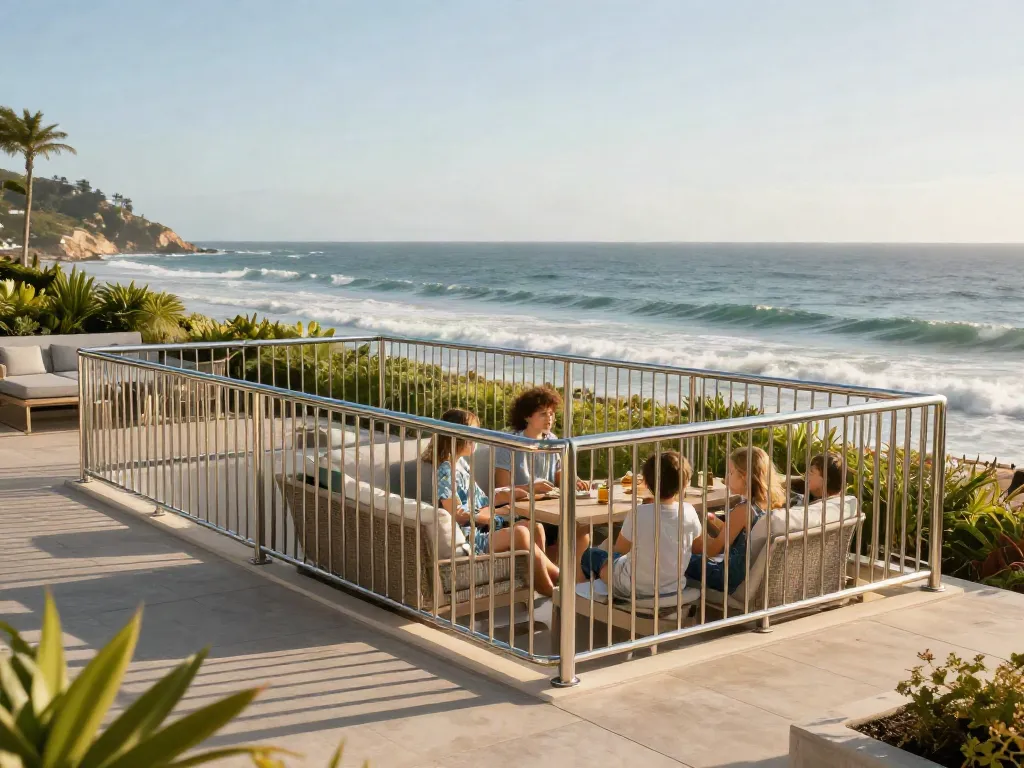
Understanding the Importance of Safety Railings
Safety railings are essential components in both residential and commercial architecture, serving as protective barriers that prevent falls and enhance safety in various environments. They are particularly critical in areas with a higher risk of falls, such as stairways, balconies, and elevated walkways. In an era where safety standards are evolving continuously, investing in quality safety railings is paramount to ensuring the well-being of occupants and visitors alike.
What Are Safety Railings?
Safety railings, often referred to as guardrails or balustrades, are structures designed to provide protection along the edges of staircases, balconies, and other elevated surfaces. They can be constructed from a variety of materials to suit aesthetic preferences and functional requirements. The primary function of these railings is to prevent falls, but they can also enhance the overall design of a space.
Why Safety Railings Matter in Modern Architecture
In modern architecture, safety railings go beyond mere functionality. They contribute to the visual appeal of a building while simultaneously adhering to local building codes and safety regulations. As architects and designers strive to create innovative spaces, the selection and design of railings have become a critical aspect of the planning process.
Common Types of Safety Railings
- Metal Railings: Typically made from aluminum or steel, these railings are durable and can be designed to fit contemporary or traditional aesthetics.
- Wooden Railings: Offering a warm, traditional look, wooden railings are often used in residential settings and can be crafted from various types of wood.
- Glass Railings: Providing an unobstructed view, glass railings are increasingly popular for modern homes and commercial settings.
- Composite Railings: Made from a combination of materials like wood and plastic, they offer the aesthetic appeal of wood with added durability.
Key Materials Used in Safety Railings
Metal Options: Steel, Aluminum, and Their Benefits
Metal railings are known for their strength and longevity. Steel railings are particularly robust and suitable for heavy-duty applications, while aluminum railings are lightweight, resistant to corrosion, and easy to maintain. Both materials can be powder-coated to enhance their appearance and provide additional protection against the elements.
Wood and WPC: Aesthetic and Functional Choices
Wooden railings offer a classic appearance and warmth, appealing to those looking for natural aesthetics. Wood Plastic Composite (WPC) combines the best of both worlds; it is made from recycled materials and offers a sustainable option with low maintenance requirements.
Glass Railings: Combining Safety with Style
Glass railings provide a sleek, modern look while allowing for unimpeded views. They can be framed with metal or installed as frameless panels, enhancing both safety and the visual appeal of a space. However, they require regular cleaning and maintenance to avoid smudges and fingerprints.
Design Trends in Safety Railings
Innovative Designs for Residential Properties
In residential architecture, safety railings are increasingly being designed to become statement pieces. Curvilinear and minimalist designs are gaining popularity, offering homeowners the chance to blend safety with style. Additionally, integrating lighting into railings can enhance visibility and aesthetic appeal.
Commercial and Industrial Safety Railings: Standards and Practices
For commercial and industrial applications, safety railings must meet stringent safety standards. Compliance with OSHA regulations in the United States, or similar standards in other countries, is essential. These railings are often required to withstand high traffic and harsh conditions, necessitating the use of durable materials and designs that prioritize safety.
How to Choose the Right Design for Your Project
Choosing the right safety railing design involves considering various factors, including the location, purpose, and aesthetic of the space. Collaborating with experienced professionals can help ensure that the selected railings meet both safety requirements and design objectives.
Best Practices for Installation and Maintenance
How to Ensure Compliance with Safety Regulations
Compliance is crucial when installing safety railings. Before installation, it is vital to review local building codes and regulations to ensure that the design and materials meet all safety standards. Consulting with experienced contractors can help navigate these requirements effectively.
Tips for Maintaining Safety Railings in Coastal Environments
Coastal environments pose unique challenges for safety railings due to exposure to saltwater and humidity. It is essential to select corrosion-resistant materials and regularly inspect and maintain railings to prevent degradation. Applying protective coatings can also extend the lifespan of metal railings.
Common Mistakes in Safety Railing Installation
Common mistakes during installation can compromise the effectiveness of safety railings. Some frequent errors include improper spacing between balusters, inadequate anchoring, and failing to follow manufacturer guidelines. Ensuring that installation is performed by qualified professionals can mitigate these risks.
Future Innovations in Safety Railings
Sustainable Materials and Eco-Friendly Solutions
The construction industry is shifting towards sustainability, and safety railings are no exception. Emerging materials made from recycled plastics and sustainably sourced wood are being developed, offering eco-friendly solutions without compromising on safety or aesthetics.
Smart Safety Railings: Integrating Technology for Enhanced Safety
As smart home technology advances, safety railings are also evolving. Innovations such as sensors that alert users when someone is near the edge of a balcony or stairs are being integrated into modern designs, enhancing safety in residential and commercial buildings.
Predictions for Safety Railing Design by 2026
By 2026, we can expect safety railing designs to further embrace sustainability, with a focus on using eco-friendly materials and manufacturing processes. Additionally, modular designs that allow for easy customization and modifications are likely to gain popularity, catering to diverse architectural needs.
What Are the Trends in Safety Railings?
Overall, the trends in safety railings are leaning towards innovation and practicality. From advanced materials to smart technology integration, the future of safety railings promises not only enhanced safety but also improved aesthetic and functional value in both residential and commercial contexts.