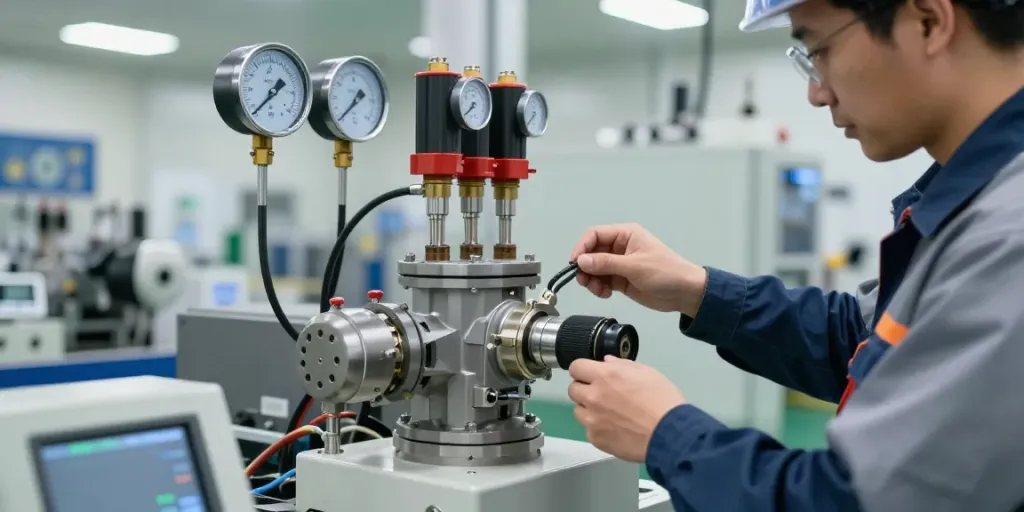
Understanding Mechanical Pressure Switches
Mechanical pressure switches play a crucial role in various industries, offering a reliable solution for monitoring and controlling pressure levels in operational systems. As automation continues to shape the landscape of industrial processes, understanding the functionality, applications, and features of mechanical pressure switches is essential. This article explores the core aspects of mechanical pressure switches, focusing on the offerings of LEFOO, a well-regarded pressure switch manufacturer known for durable and accurate devices.
What is a Mechanical Pressure Switch?
A mechanical pressure switch is a device that detects pressure changes in gaseous or liquid environments and triggers an electrical response when a predefined pressure threshold is reached. These switches can be designed to operate with various pressure ranges and are typically employed to control pumps, compressors, HVAC systems, and more. They function without the need for external power, making them an efficient choice for many industrial applications.
Key Components and Functionality
Mechanical pressure switches consist of several key components, including:
- Diaphragm: This flexible membrane responds to pressure changes, moving when pressure increases or decreases.
- Switching Mechanism: Typically a mechanical arm or lever, this component engages or disengages the electrical circuit based on diaphragm movement.
- Adjustment Screw: This allows for calibration of the set point, enabling accurate control over pressure thresholds.
The simplicity of mechanical pressure switches is one of their significant advantages, ensuring durability and reliability in demanding environments.
Applications in Industrial Automation
Mechanical pressure switches find applications across various sectors, including:
- HVAC Systems: To monitor and control pressure levels in heating, ventilation, and air conditioning systems.
- Hydraulics: Used to manage hydraulic systems pressure and ensure optimal performance.
- Compressors: To prevent damage caused by overpressure and ensure safe operation of compressors.
- Machinery: Essential in manufacturing processes where pressure monitoring is critical for machinery performance.
These diverse applications demonstrate the versatility and necessity of mechanical pressure switches in maintaining system integrity and efficiency.
Choosing the Right Pressure Switch Manufacturer
When selecting a pressure switch manufacturer, several factors should be evaluated to ensure that the chosen supplier meets your specific needs:
Evaluating Manufacturer Credentials and Certifications
One of the first steps in selecting a manufacturer is to verify their credentials and industry certifications. Look for ISO certifications and compliance with relevant standards, which indicate the quality and reliability of their products. Manufacturers like LEFOO are known for their commitment to excellence, often meeting international quality standards.
Comparing Product Offerings: Features and Benefits
Not all mechanical pressure switches are created equal. It’s essential to compare the features and benefits of different products. Consider factors such as:
- Material Construction: Stainless steel housings are preferred for their durability and resistance to corrosion.
- Adjustability: Look for models that offer simple calibration features for easy setup.
- Safety Features: Evaluate the presence of fail-safe options for enhanced operational safety.
Thoroughly assessing these features can lead to better decision-making and higher operational efficiency.
Identifying Specialized Industry Solutions
Different industries may have unique requirements for pressure switches. For example, the oil and gas sector may require switches that can operate under extreme conditions, while HVAC applications may prioritize energy efficiency. Ensure the manufacturer provides solutions tailored to your industry’s specific challenges.
Installation and Calibration Best Practices
Proper installation and calibration are vital for the effective operation of mechanical pressure switches. Here’s how to ensure they are properly set up:
Essential Tools for Installation
To install a mechanical pressure switch, you will need basic tools, including:
- Wrenches for securing the switch
- Pressure gauges for initial testing
- Calibration tools if needed, although many models from LEFOO can be calibrated without specialized tools.
Step-by-Step Calibration Process
Calibration is essential to ensure the accuracy of your pressure switch. Follow these steps:
- Connect the pressure gauge to the switch.
- Increase the pressure gradually and observe the switch activation point.
- Adjust the external screw until the switch activates at the desired set point.
- Test the switch multiple times to confirm consistency.
This process guarantees that the pressure switch operates within the specified range, ensuring system safety and efficiency.
Troubleshooting Common Installation Issues
During installation, you may encounter issues like:
- False Tripping: Could be due to vibrations; ensure secure mounting and consider vibration dampening solutions.
- Inconsistent Readings: Check for leaks and ensure proper connections.
- Improper Calibration: Verify that calibration procedures are followed as outlined above.
Having a systematic approach to troubleshooting will ensure smoother operations and reduced downtime.
Maintaining Mechanical Pressure Switches
Regular maintenance of mechanical pressure switches is crucial for longevity and reliability. Here’s what you need to know:
Signs of Wear and Failure
Be vigilant for signs that indicate your pressure switch may be failing, such as:
- Lagging response times when pressure changes occur
- Visible damage on the housing or internal components
- Frequent deviation from set points, requiring constant recalibration
Preventative Maintenance Strategies
Implementing a preventative maintenance routine can significantly extend the life of your pressure switch:
- Regularly inspect for leaks and corrosion.
- Calibrate the switch periodically to ensure it remains accurate.
- Clean the surrounding area to prevent dust and moisture from affecting performance.
Maximizing Longevity and Performance
To maximize the performance and lifespan of your mechanical pressure switch, consider:
- Choosing a switch rated for your specific application and environmental conditions.
- Conducting training for personnel on proper handling and monitoring practices.
- Keeping a log of performance data to spot trends that may indicate issues.
Adhering to these strategies will help maintain system reliability and integrity.
Future Trends in Pressure Switch Manufacturing
The landscape of pressure switch manufacturing is rapidly evolving. Here are some key trends to watch for:
Innovations in Pressure Sensing Technology
Emerging technologies are paving the way for more advanced pressure switches that offer enhanced functionality and accuracy. Innovations such as digital interfaces and IoT integration allow for remote monitoring and management, providing operators with real-time data inputs.
Environmental Considerations in Manufacturing
With increasing awareness of environmental issues, manufacturers are focusing on sustainable production practices. This includes the use of recyclable materials and reducing energy consumption during the manufacturing process. As industries push for greener solutions, this trend will likely accelerate.
Predictions for Market Growth in 2026 and Beyond
Market analysts predict significant growth in the pressure switch sector, estimating an increase in demand driven by automation trends and the expansion of industrial applications. This growth is expected to lead to more investment in research and development, resulting in smarter and more reliable pressure switches.
What are the benefits of using mechanical pressure switches?
Mechanical pressure switches provide benefits such as reliable operation, low maintenance, cost-effectiveness, and versatility across various applications.
How to choose the right pressure switch for specific applications?
Consider pressure range, environmental conditions, material compatibility, and specific application requirements when selecting a mechanical pressure switch.
What industries commonly utilize mechanical pressure switches?
Industries including HVAC, oil and gas, manufacturing, and food processing frequently utilize mechanical pressure switches for system control and monitoring.
How do I troubleshoot issues with my mechanical pressure switch?
Review installation, check for leaks, confirm calibration, and assess for signs of wear or damage when troubleshooting mechanical pressure switches.
What are the future trends in pressure switch technology?
Look out for advancements in smart technology integration, sustainable manufacturing practices, and increased market demand as key trends shaping the future of pressure switch technology.